Sharp and stabbing pains are really common in women with endometriosis. If you are woken at night with pain when it is not your period, it is often sharp or stabbing pains that are the problem. Unfortunately, these pains don't usually get better with surgery. They are due to a change in the way that the nerves from the pelvis send pain impulses to your brain.
The problem is certainly NOT 'all in your head'. It is 'all in the nerves'. Doctors call this 'neuropathic pain'. It is also common in people with a bad back, sciatica, and diabetes. You have probably already realised that most normal pain killers don't help this type of pain.
The good news is that it can be managed successfully with a combination of:
- medications (amitriptyline, pregabalin, gabapentin or valproate)
- exercise (start slowly or you will get worse to start with)
- regular sleep (will be easier once you are on a medication)
- moving on from, or resolving stress in your life
Stress did not cause the problem but it can aggravate it.
While the pain is severe, it does not mean that you have cancer and is not a dangerous pain.
If you have our book on pelvic pain, it is covered in more detail on pages 58-67. The medications that help this pain are covered on pages 180-182. Your local doctor will be able to prescribe these for you.



Subscribe to:
Post Comments (Atom)

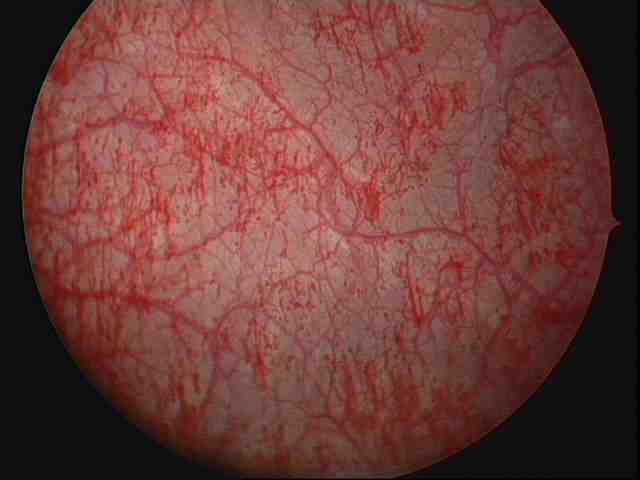

Sharp or stabbing pains often mean pain from the nerve pathways in the pelvis. There may be nothing to see at a laparoscopy, but lots of pain. Usually the pain comes on at any time, but can be worse with periods. This type of pain often wakes women at night. It often doesn't get better with surgery.
ReplyDeleteIt can be treated with a mix of special medications like amitriptyline, gapapentin, pregabalin, sodium valproate, and with lifestyle changes such as regular gentle exercise, moving on from stress and regular sleep. The lifestyle changes are worthwhile, but its usual to need medications too.
Congratulations on setting up a useful and practical advice blog for women with endometriosis!!!
ReplyDeleteDear Tricia,
ReplyDeleteIts a pleasure and thanks for your comment. So many women have sharp or stabbing pains and most say that it is when these pains started that they really started to become worn down by it all. There is so much more that can be done. Surgery has an important role in endometriosis but there are many pains you can't see at a laparoscopy. This is one of them.
Hi Susan,
ReplyDeleteI came across your website/blog via Tricia Ong. It's good to have more resources and discussions online. I had a laparoscpy 4 months ago but the painful periods continue with even worse symptoms. I have stabbing pain combined with dull regular pain, abdominal bloating and etc etc. Many books on endo suggest a "reduction in stress". Why is that? What is the correlation of stress, pain and endo? I've been thinking about quitting my job, as I feel very fatiqued, but am having problems convincing my partner. Thanks for any comments on this! Rita.
Dear Rita, Thanks so much for writing. I am sorry to hear that you have had such a difficult time. Without knowing your situation well, I do have a few comments:
ReplyDelete1. If all your endometriosis was removed (cut out)at your laparoscopy and you still have period pain, then the period pain may be coming from your uterus. There are many different treatments for pain from the uterus.
2. Sharp or stabbing pains mean that the nerves in the pelvis have become sensitised. They are sending pain signals even when nothing is happening. Women with this are often woken at night with sharp pains, and feel really worn down by the pain. This pain is called neuropathic pain. Its a pain you can't see at a laparoscopy. Surgery doesn't help, but special medications to make the nerves behave better certainly do. Neuropathic pain can also cause bloating, headaches and tender points in the muscles around your shoulders.
3. Stress makes everything worse, but I don't believe it caused your pain.So,unless you have a really difficult job or work very long hours, stopping work probably won't help much. I would certainly try a medication for neuropathic pain before stopping work.
Rita, you have a complicated pain picture, but you are the type of person we have written our book for. There is information on all the treatment options for your problems. Your GP can help you with most of these options. The book is available online at our website www.drsusanevans.com, but you may be able to get it from your library. The ISBN is 978-0-64651358-4 and it is certainly available from libraries in South Australia.
Best wishes, Susan Evans
HI Susan
ReplyDeleteThis is fantastic having somewhere to ask questions of people that understand what we're going through, and can offer practical advice without making us feel like we're constantly whinging:) Ive also bought your's and Deb's book on Pelvic Pain, its been a great guide for someone newly diagnosed like myself.
I wondered if you could provide any extra advice on treatment and options for Adenomyosis? Ive suffered a coupld of miscarriages, before being told I had Endo, but now they suspect Adeno. as well. Im 34 and although Dimitriose has helped with the level of pain, Im not looking forward to going off them in a couple of months and back to the daily pain and no sex-life due to the agony. Is hysterectomy my last resort? Does a Mirena help my condition at all?
Dear Amanda,
ReplyDeleteI am so glad you like the book and thanks for contacting me. I'm sorry to hear about your miscarriages. It must be very distressing for you.
Before commenting on your pain, could I ask:
1. Whether you have had any surgery for your endometriosis, what they did and where the endometriosis was, if you know?
2. Whether you have period pain when off the dimetriose, but are otherwise well, or whether you have a mix of different pain problems? Bladder pain? painful sex? sharp stabbing pains? Bowel pains?
3. Whether you became pregnant quickly or it took awhile?
Look forward to hearing from you,
Regards,
Susan Evans
Hello
ReplyDeleteYes, Ive had one Laporoscopy in May this year for Endo which was mostly round my bowel, which was twisted and stuck with Endo. It initially didnt seem like there was a lot to remove, but my pain increased post-surgery and sex was impossible from the pain during and for days afterwards. Bladder and bowel pain are mostly daily occurences, as is the stabbing pain. Pain around periods was about the same as before surgery, so I was put on to Dimetriose, which has improved my symptoms but not removed them completely. Plus the side-effects are a new challenge:)
It took about 6 months for me to get pregnant the first time, then after I lost that pregnancy it took another 3 or 4 months, so I guess not long compared to some women.
Im just figuring that if I stop the medication, the sex will be too painful to even attempt regular intercourse to get pregnant, and goodness knows how long it may take anyway. Feelign a bit dis-heartened to be honest, and I just want to be able to enjoy life pain-free.
Even this Saturday night, my partner had a work function and I was on painkillers all day with a bloated stomach to be able to even go. Im sick of not being able to plan going out without wondering if I'll be up to it. God this disease sucks sometimes!!
Dear Amanda,
ReplyDeleteThanks for explaining more about your situation. I am not surprised that you are feeling worn down and it is a difficult choice when you want to become pregnant but are anxious about going off your medication.
Like many women, you have a mix of different pains and I am not sure I can address all of them in a blog. Still there is a lot more that can be done, and I am sure that there is a lot more that can be done. If you have access to our book, all these problems are covered in detail so I have written down some ideas.
1. Regarding the bloating, this is often helped by dietary changes (page 46), or a low dose of amitriptyline (page 180)
2. Regarding the period pain, you can still use a diclofenac rectal suppository on the worst days when you are trying to become pregnant as if you have a period, you are not pregnant. They last 12 hours and are much more effective than normal period pain medications. (page 35 and 169). You can still use pain tablets 171.
3. Page 148 describes the best time of month to get pregnant so hopefully it happens more quickly
4. Painful sex can be due to a few things all combined rather than just endo in your pelvis. This is why the dimetriose has not helped all of the pain. It is due to a mix of things. Page 76 explains how you can work out which particular causes of pain affect you and how to treat them. Often it can be painful muscles in the pelvis, a painful bladder or sensitised nerves in the pelvis. Often it is all these things together!
5. Chapters 11, 12 and 13 are written by Deb Bush and just great for women who are just finding it all too hard. I am sure that you would find them useful.
If you are looking for something to help right now, just to make you feel more comfortable and more in control of your life, then I suggest you try amitriptyline 10mg early evening, every evening. It helps headaches too if you have these. Your local doctor can prescribe this and if they are unsure at all, take our book to them and they will understand.
They can make you a bit sleepy in the mornings to start with, but it usually settles down after a few days.
With best wishes to you and your husband,
Susan
vvv
ReplyDeleteFor me it is not surprising that women with these problems feel worn out and miserable life.
ReplyDeleteI am 26 years old & i have severe endometriosis. ive been through alot to finally have figured it out...late night trips to the er...stabbing pains...thinking i was having an ectopic pregnancy...cysts bursting...appendix bursting...it ended up being the endometriosis...it truly messes with your hormones...i am finally going to have my first laproscopy done in sept...ive been ttc for 3 years now...ive had 1 mc 1 yr ago...im hoping that with the laproscopy & clomid i will be able to get pregnant...i am very hopeful :D I just wanted to write on here to support other women who suffer from this...I have sometimes felt broken...but i know god has a purpose & plan for my life...so pleasae be encouraged that your not alone.
ReplyDeleteDear Anonymous, Good luck with your laparoscopy. It sounds like you have had lots of different pains for a long time. If you can, I would suggest:
ReplyDelete1. Asking your doctor if you can have photos, or a copy of your operation sheet for your records, so you know where your endometriosis was and how the rest of your pelvis looked. Keep these for always.
2. Remembering that the amount of endometriosis they find, doesn't correlate with the amount of pain you have. Some women have lots of endometriosis and very little pain. Others have lots of pain and not much endometriosis.
3. Realising that there are many pains you can't see at a laparoscopy. Your operation is a great first step, but there is much more to pelvic pain than the endometriosis lesions in the pelvis. You might need to use a mix of different treatments to be really well.
Very best wishes,
Susan Evans
Thank you so much for starting this blog. It is nice that endometriosis is finally starting to make a blip on the map. Hopefully, with people like you starting blogs, women will realize they are not alone with this condition and we can all raise awareness and start finding more answers about the condition. It is hard to have a condition that can leave you in constant pain but you look normal so people don't understand. For so long I thought I must be exaggerating what I felt or that the last painful episode I had really wasn't that bad. After hearing other women speak I know that I am sane and I really do have something that is affecting my life, not my mind. Thank you, thank you and good luck to everyone on here.
ReplyDeleteDear Piper Mick,
ReplyDeleteThanks for your contact. We have been a bit lax on the blog lately, but hope to revitalise it this year. There are lots of exciting things happening in pelvic pain and hopefully soon, some things really improve.
*Long, I'm sorry* I am a 26 year old female. I have had Tubal clips put in nov 08 and a uterine ablation feb 09 (because of excessive bleeding). No periods since. I started having stabbing around oct 09, and have been fighting them since. I had a vaginal ultrasound oct 10, but was told that my right ovary was enlarged but no treatment on it. The pains got worse, and ended up almost every day. Dec 11, I went to a different Doc, and did another vaginal ultrasound where they found that my Uterus was in a shape of a heart and that I was retaining fluid in my Uterus. Jan 12 I had a D&C and a laposcopy to "look around". What they found during surgery: Uterus was closed due to scar tissue, my tubal clip broke through the tube and I was having regular meses (but was bleeding out into my stomach cavity which explains the pregnant looking stomach), and endometriosis. The did the D&C to clear out fluid, tied & burned the tubes with double clips and burned off the cists. As they were closing me up, my uterus started hemorrhaging. The surgery pain went away after 3 weeks. Now 6 weeks later, I am having the stabbing pain in my right ovary area, only a few have knocked me off my feet. The doctor said that when the pain comes back, she will put me on birth control. I have not had a period yet. Does this mean that my endo is back, and I will have to start the hormone treatments?
ReplyDeleteDear Anonymous, Really sorry it has taken this long to answer your questions.
DeleteIt sounds complicated, but you have explained it really well.
Sounds like you can be reassured about the endometriosis. They would have seen it at the laparoscopy in January, so I don't think that is the problem.
Whenever I see women with a stabbing pain on one side, I always think of pelvic muscle pain. It doesn't show on a laparoscopy or scan so it can be really frustrating.
There is a muscle on the inside of the pelvis called Obturator Internus. When this muscle cramps, there is a really severe sudden pain on one side that makes you want to bend forward, lasts awhile, is better with a heat pack, and has an ache afterwards. Sometimes the pain goes down the thigh or sometimes even down into the foot.
Women often call it their 'ovary pain' because thats where they feel the pain, when really the ovary is fine.
If you have this type of pain, there is often pain with sex as well, or pain that is worse with some exercise, especially any 'core-strength' exercises such as pilates.
The best treatment is:
- avoiding things that make it worse, but keeping moving with regular gentle exercise like walking
- a pelvic physiotherapist who knows how to treat tight pelvic muscles. Sorry, but they can be hard to find....If you go to one that causes you lots of pain, then its good to look elsewhere
- a small dose of amitriptyline often helps, like maybe 5-25mg taken 2-3 hours before bed
- the pelvic muscle relaxation CD available on our website
- the stretches on the website on the relaxation CD page
- or Botox.... yes, really.
Botox helps wrinkles by relaxing the muscles of the face. It helps pelvic pain by relaxing the muscles in the pelvis. Unfortunately it needs to be done as day surgery (no cuts or stitches but it would be painful if you were awake), takes 2 weeks to work and lasts 4-6 months.
Back to your note..... you can certainly try the birth control pill, but if it doesn't help, think pelvic muscle spasm.
Best wishes,
Susan
Please help me I'm 26 years old I have a daughter age 6, I've been havin pelvic pain for as long as I can remember, painful sex and aftermath of sex can cause me pain for more than a day to 2 days after. Is wrecking my realashionship. I also have very heavy periods with clots and stuff they last 7days and I'm in agony.
ReplyDeleteI've been to the gyn clinic for so many years now and they have tried pills and the injection that gives u the change of life symptoms and stops your period. Last resort was a laparoscopy I had this done on the 13/3/12 and nothing was seen so everything looked fine. Altho the surgeon perforated my bladder and I ended up ill as this was undetected for a few days after surgery and I spent 3wks in hospital!
I'm at my wits end I'm in agony during sex, periods, ovulating time and general days. What can I do this is wrecking my life along with bladder problems and ibs that I contracted through this surgery
Dear Anonymous,
ReplyDeleteI'm very sorry to hear about your pain. The mix of bladder pain, period pain and painful sex is very common and frustrating because nothing shows on laparoscopy or ultrasound scan.
I recommend that you:
- download the free ebooklet from our website at www.drsusanevans.com and read about the different types of pain
- if this sounds like you, then you should order the latest print of our book 'endometriosis and pelvic pain' from the website as this has much more information on all the things you can do for this pain
- you don't need more surgery and hormonal treatments won't help.
-like our facebook page 'pelvic pain news' to keep up to date with new things
the most likely thing is that you have a painful bladder, and painful pelvic muscles, as well as a painful uterus. Things to consider include a low dose of amitriptyline, a mirena iucd (inserted while you are asleep), the diet for bladder pain, avoiding core'strength/pilates exercise but keeping active with gentle walking etc.
I hope this helps, but start with the ebooklet and if it sounds right, read the newest print of our book which has lots of information on these.
Best wishes,
Dr Susan Evans
I suppose their is nothing you u can suggest it could be! If everything is normal! Why do I have these pains.. I'm struggling to cope now! Could the doctor have missed anything with me?
ReplyDeleteIts natural to worry that there is something dangerous happening, but very unlikely that you have a 'life-threatening' problem.
DeleteI hope the previous comment helps you. There is lots you can do to improve the pain, but it won't be one magic answer.
Remember that there are 'lots' of pains you can't see.
Its too much to put in an email, but the ebooklet is a good start. Hope it helps.
Hi dr,please i really need an advice from u as i am in really pain and all the doctors i went to told me different things and im not feeling any better :(. Since 5-6 years i ve been on yasmine pills.From time to time i had sharp pain in my right ovary.Many times i thought its some cyst on the right ovary as i had once before or the apendix.Everytime the tests came back fine.Before 3 months i had my breast swollen and very painful so i stoped the pills.Since then the pain in my right ovary was more and more bad.I cant stand,i cant walk,i cant sleep more than 3-4 hours at night :(.It doesnt stop.Since 10 days i have constipation.I have 2 kidney stones in my right kidney but they didnt passed down.A general doctor told me i have IBS,a gastrolog doctor recomended me colonscopy and a gynecolog told me that its possible to have enometriosis and the only way to find out its laparoscopy.I never done any surgery bef and i want to make sure at least if i have endometriosis if laparoscopy will help or if maybe its not endometriosis?
ReplyDeleteDear Anonymous, I can understand how confusing it is for you.
ReplyDelete1. Stopping the Yasmin might help the breasts, but often the pelvic pain gets worse off the pill. I suggest trying a pill called Qlaira as this often helps period pain, and might upset your breasts less. Qlaira has a monthly period but it is often light. If you want to use a pill and skip periods, then Valette is a good one to try. If your breasts are still sore, then try Yaz rather than Yasmin.
2. The pain on the side is probably spasm in pelvic muscles on the inside of the pelvis. That is why you can't walk well when you have it. It gets worse in the night because you are lying still for a long time. This type of pain doesn't show on a laparoscopy, or an ultrasound scan.
3. IBS is common in women with endometriosis
4. Constipation makes pelvic muscle pain worse
I recommend that you:
- download the free pelvic pain ebooklet from our website www.drsusanevans.com and look at all the advice in this. Remember to read the section on 'pain on one side'
- do think about a laparoscopy IF your gynaecologist is one who is able to excise endometriosis AND period pain is a large part of your problem. A laparoscopy doesn't cure the pain on the side, but sometimes it is better for a few months after a laparoscopy because the muscle has stopped spasming for awhile due to the medications used. Even if you have a laparoscopy you will still need to look at other treatments to be really well. An operation only helps some types of pains
- read our full size book available on the website. It has a section on each of the types of pain you have (except the kidney stones).
- if you have a laparoscopy, its a good idea to be on a small dose of amitriptyline medication. It helps recovery and minimises the chance of surgery aggravating some pains. Your local doctor can provide this for you but read about it in the book first. You can always take our book to your doctor when you go to explain why you want to take it.
Remember that it is really important to understand that you have lots of different pain troubles and while a good laparoscopy can help in some ways, it will be important to look at the whole picture if you are going to be really well in the future.
- LIKE our facebook site PELVIC PAIN NEWS to keep up with updates in pelvic pain
I had tubal clips 11yrs ago and had nothing but probs since. Like above. Since been told i can have clips removed to help but my doctor refuses and has suggested a hysterectomy
ReplyDeleteA bit tricky to advise you without more details, but I have a few comments:
ReplyDelete- some women have problems after having clips because at the same time as having the clips they go off other treatment such as the contraceptive pill. Often the pill has helped their bleeding, period pain and premenstrual moodiness without them realising it. Once they go off the pill, the problems that they would have had show up. If so, then going back on the pill, or using a mirena (levonorgestrel IUCD) often helps.
- if this is not your situation, then it depends what symptoms you have. If they are pain symptoms, then I recommend you read our free pelvic pain ebooklet available at www.drsusanevans.com.au and think about whether any of the pains sound like your type of problem. If so, then you can think about what options suit you best.
A hysterectomy will stop bleeding and will stop pain from the uterus, so if these are your biggest problems, other treatments don't help and you no longer wish to consider pregnancy then sometimes a hysterectomy is a good idea.
Removing the clips can certainly be done at a laparoscopy, but you need to know whether this fits with the troubles you have.
Hope all turns out well.
I would like to know where I can buy your book 1st off?
ReplyDeleteI am having my 4th lap on Feb 1st. Gyne suspects diaphragmatic endo. I can't find much info. The last lap they found small lesions in my RUQ. I have done a lot of research and apparently they need to look behind the liver. My symptoms are severe chest pain, RUQ pain, shoulder tip pain. Sharp stabbing. I'm getting so frustrated. Can this be treated with a regular lap? Please Help!
-sick&tired
Dear Anonymous. Sounds like you have had a hard time. Our book is available from our website at www.drsusanevans.com.au There is a small ebooklet you can download for free but the full size book has much more information in it. Thanks for asking.
ReplyDeleteDiaphragmatic endometriosis is rare but certainly happens. There are a few options:
- endometriosis can be removed from the diaphragm, providing you can see it clearly, but most gynaecologists aren't happy to do this. The diaphragm is a very thin muscle and very easy to make a hole in. When I have had patients with this before, I have asked a bowel surgeon who is comfortable with doing laparoscopy around the gall bladder and diaphragm to remove it for me. So, it depends what type of surgery to the diaphragm your gynaecologist is comfortable with and whether it can be easily accessed. If there are thick endo lesions there, then it can take a thoracic (chest) surgeon to remove them but it doesn't sound likely in your case.
- alternatively you can see if this is the problem by stopping periods in some way. If your pain goes away when periods are stopped then it might well be due to endometriosis of the diaphragm, but you might be able to manage it with medications instead. For example, some women might be able to manage this with either:
a) a progestogen tablet taken once daily every day to stop periods e.g. norethisterone 5mg daily. remember you would have to be very reliable taking it each day. this is the easiest if it works, or,
b) A GnRH analogue medication to turn off your ovaries, such as leuprolide or goserelin or similar, used together with some hormone replacement therapy so that you can feel well on it. e.g. goserelin 3.6mg implant once monthly to turn off the hormone production from the ovaries with either an estrogen patch and a mirena iucd, or another form of estrogen and progestin HRT that your local doctor understands.
If you can stop the periods for some time, then it may be that the endo becomes less active and you can avoid major surgery.
Remember that we have a facebook page called Pelvic Pain News to keep you up to date with all the latest in endo and pain if you LIKE us.
Best wishes,
Susan Evans
I appreciate your quick response very much. I've had a very rough go with this.
ReplyDeleteI was actually dismissed from my job yesterday from days missed, even when doctor's notes were present. Ever since being diagnosed this has just been a nightmare. I stay positive as much as possible but now it's just becoming too much.
My gyne suggested the Lurpon injections, not only are they $495 per injection!! :O but also, I have done lots of research and heard plenty of horror stories.
My period actually started yesterday morning, I woke up in the morning the past 2 days soaked in sweat and my right leg is numb. I have gotten to the point now where everything wrong probably has to do with the endo. I have had the heating pad by my side for the last 36 hours.
I have been prescribed morphine for pain, but I have been on them for so long that I am finding they don't help anymore. I try to take them only when necessary as I do not need another problem arising from the 1st.
Do you believe they will ask for another surgeons opinion during surgery? I just mean I need relief, losing my job due to this really has made me see how much this is taking away from my life. I don't want to have to have this go on for another year.
Any input you may have would be great!
-sickandtired
OK. I will be specific.
ReplyDelete- the numb right leg is not due to endometriosis lesions. It is likely due to either nerve (neuropathic) pain or pelvic muscle spasm in the side wall of the pelvis that both get worse during periods. That is why the heat packs help you. Morphine only helps for a short time and over the longer term can worsen the neuropathic pain. I agree that you should be very careful before taking regular narcotic medication. I suspect that you also have pain on one side that is worse with movement or exercise and that sex may also be painful. I recommend:
1. you need to read our book Endometriosis and Pelvic Pain which has a chapter on these and can be ordered from www.drsusanevans.com.au
2. The pelvic muscle relaxation CD that is on the website is also helpful but you might not find it easy to do until the leg pain settles down a bit.
3. you should start the norethisterone tablet 5mg each day within the next few days. It is cheap, easy, your doctor can easily prescribe it and it might allow you to miss some periods and quieten down any endometriosis lesions.
4. A hot bath can help when the pain in the leg is especially bad. In my clinic we use botox in the muscles if women are as sore as you are, but that isn't available everywhere.
5. You should also start a medication for neuropathic pain as this is making everything else worse. Anyone who has pain of any kind on most days for more than 6 months has a degree of neuropathic pain, so this sounds like you. The choices you have, that can all be prescribed by your local doctor are amitriptyline in low dose (information sheet is on my website) starting at just 5mg early evening and increasing OR duloxetine starting with 30mg in the morning with food for 1-2 weeks and then increasing to 60mg in the morning OR pregabalin starting with 25mg in the evening and then increasing slowly. They are all different medications and they all suit around half the people who try them, so if you try one, and if it suits, great. If not, try the next one. The amitriptyline is good if you have poor sleep, headaches, an overactive bladder or an irritable bowel, but can make you sleepy in the morning. The duloxetine is good for muscle pain, anxiety and low mood but up to half of people find orgasm more difficult when on the tablets. The pregabalin is if neither of the other suit you. From the sound of it, you aren't going to be well without one of these and they are a much safer and better choice than the morphine.
- you should ask your doctor what they plan to do if they see endometriosis near the diaphragm as I can't comment on what options they have. Also, if you have already had good surgery and it hasn't helped before, you need to know what will be different this time to make it more successful. There are many many pains you can't see at a laparoscopy and can't be fixed with surgery. Surgery only helps a few types of pain.
- if you are doing 'core-strength' exercises, these can make pelvic muscle pain worse, so good to keep moving with gentle walking but avoid exercise that hurts or makes you feel worse afterwards.
- have a look at the stretches on our website as well. They can sometimes improve the pain when it is bad and its good to do them regularly.
Not sure that I can add more by blog, but it is all in the book, and you should not be scared of the neuropathic medications. They are really worthwhile in someone so unwell as you are, but take a bit of trial to see which one suits best.
Hope that helps.
Susan
I like the helpful information you provide for your articles. I’ll bookmark your weblog and check again here frequently.
ReplyDeleteI am quite sure I’ll learn many new stuff proper here! Best of luck for the following!
regards,
Jane
chiropractor in seattle
Dear Jane,
ReplyDeleteSo glad you like the blog.
Our Facebook page called 'Pelvic Pain News' is kept more up to date, if you are looking for the latest news.
I hear that Seattle is wonderful.
Susan
The Joint Fluid Therapy consists of a number of injections that are applied directly to your knee joints. By improving the lubrication in your knees, the pain is reduced through this therapy that replaces the lost synovial liquid that normally keeps the knees lubricated. perimeter spine and rehab reviews
ReplyDeleteHi Susan,
ReplyDeleteTo start, I haven't seen a doctor yet about this problem because I am in graduate school (25 years old) and I do not have insurance. I am trying to hold out until I graduate in December, and then hopefully I will have a job with benefits.
A little history, I've never been pregnant and I have a patent foramen ovale. Because of this PFO, the cardiologist I saw a few years back said NO to any hormonal birth control. So, my OBGYN placed a copper IUD in me. At first, I had an increase in cramps and bleeding, but it pretty much went back to normal after a few months. A year later, during my yearly exam (which was last December), she told me that I was expelling it, so she pulled it and ordered a new one. I moved away for graduate school and that's when I started having the very sharp rectal pains lasting only a few seconds. I couldn't sit straight when this happened. I would literally jump up and shriek in pain. It only happened maybe 15 times in about 3 months. Sometimes during my period, sometimes not. When I went back home and saw my doctor in March to get the new IUD placed, I forgot to mention it because it hadn't happened in a few weeks. Since the IUD, I've had terrible cramps and bleeding, which is quite normal at first with the copper IUD. Now with each period, I get them sharp pains again. I get them when I am just sitting still and studying, or when I feel my bowels moving right before needing to go to the bathroom. The past 2 periods, I've also noticed that I get the same sharp pains as I am passing urine. I've tried just about every pain killer I could find in my medicine basket (OTC and prescription), and nothing helps for more than 45 minutes. I am completely miserable. My regular menstrual cramps are so bad sometimes that I start sweating, get really nauseated, and sometimes I feel like I may faint. Along with the cramps, I have excruciating back pain also. Also, I've noticed since about January that I get a pain around the area of my right ovary during orgasm. Very odd.
More background medical history on me:
I have headaches every day and migraines about 3 times a week. I've suffered with this since high school.
I had a sigmoidoscopy done last October because of rectal bleeding when going to the bathroom. Diagnosis was very small internal hemorrhoids. They still occasionally bleed when going to the bathroom.
Also, I have two herniated discs and bad back pain (L4-L5 and L5-S1) from a car accident a year and a half ago.
My mother had a complete hysterectomy at age 33 due to severe endometriosis.
I think that about sums it up. Can I wait until possibly next year and just try to live with these pains since I don't have insurance? Or should I try to get insurance now and get to a doctor? Also, what is the best OTC medication for this or any other home remedies? I've skimmed through some of your responses on this blog, but not all.
Thank you so much for your time,
Jenna
Hello,
ReplyDeleteI am a 54 year old with a chronic stabbing in my left abdomen/pelvis area. It is 24/7 for well over a year now. I have had CT scans, an MRI, ultrasound of abdomen, colonoscopy, endoscopy, x-ray of small bowel and all results have showed NOTHING, yet this pain never goes away and never gives any relief. The final step was a laparoscopy which showed a spot literally about the size of a penny of endometriosis. The surgeon was quick to say hysterectomy. Where this penny size is, is not even located where the chronic stabbing pain point is. I am opting to not have this surgery as I believe that it will not take care of this pain. Never in my life did I ever have a painful period with cramping of any sort or excessive monthly bleeding...never which is why I have a hard time buying into this endomietriosis is the smoking gun to my pain. Needless to say, I am despondent and don't plan on continuing on in this state which has become a day to day coping of pain pills and sleeping pills. It is no life. Physical therapy is doing nothing. If I did have a physical dagger jetting out of me, people would recognize "oh that looks awfully painful, something should be done about it. But that is not the case. Questions...I wonder what could have caused this pain. It initially started as a feeling that a bag of rocks was tied to my intestines and then evolved into a downright stabbing pain. I feel like I havea tear inside of me. Hernias have been ruled out. I never was one to rigorously excercise and am not over weight in the least. Sex has never been painful, but I wonder of a 280 lbs boyfriend pounding away at my 145 lb frame did not screw something up. Could this have caused a nerve ending to go on the fritz? No one ever seems to ask this question. At almost 55, I still get my period with a dismal timliness and do wonder how much longer will this thing last. It is dwindling down , and all in all pretty uneventful with no heavy bleeding what so ever and only lasts about 3-4 days. Could it be possible that when I finally am done with this menopause, the pain will go away? And lastly, you mention a drug amitriptyline...is that just another pain pill not to unlike the oxycodine pain pill that eventually lose's it's effectiveness due to continued use? Lastly, I have ordered your book and I presently do my best to reduce my stress level as clearly when I am stressed it absolutely makes it worse. You strike me as very switched on in this particular area and clearly I can relate to these blogs and quite see that I am hardly alone in a pain in the abdomen/pelvis area that is pure misery. Thank you for any info.
Nancy
Dear Nancy,
DeleteThank you for writing so clearly about your pain. I've had a few thoughts:
- it's true that some women with endometriosis don't have painful periods and unless there are other problems with the uterus, such as heavy bleeding or tenderness of the uterus when you are examined, I doubt that it will help the pain as you have described it to me.
- You may, however, have other pain conditions such as headache, an irritable bowel, painful bladder or general aches and pains, all of which seem to be more common in women with endometriosis
The pain could be due to a few things:
- painful spasm in the obturator internus on the inside of your left hip. If so, there would probably be sudden pains that can come on at any time but may be worse at period time - that make you want to bend forward, can go through to the back, or down the front of the leg, improve with a hot pack or hot bath and can make it hard to walk. Some women with this have painful sex, but if your pelvic floor muscles are ok, you probably wouldn't get this. Once you receive your book, look at the sections in chapter 4 on page 76 and 93, and don't worry that the section on page 76 talks about painful sex.
- if your have bowel symptoms together with the pain on the left side then you may have diverticulitis, especially if you have had long term constipation
- if you find it painful doing a FABER test (view at http://www.thestudentphysicaltherapist.com/faber-test.html) then it may be a pain inside your left hip joint
- if none of these seem right to you, then it may be neuropathic pain. Anyone with pain of some kind for more than 3-6 months has changes in the way nerve pathways function and at least some neuropathic pain. This is described on page 23 and 58, and the medications to treat this are described on page 179. These medications that include amitriptyline, pregabalin and duloxetine (duloxetine will be in the next version of the book) are completely different to pain killers and keep working over time. I don't like to see my patients using narcotic pain medications, but I have many who use amitriptyline, pregabalin or duloxetine. Remember to start with a small dose of one of these and accept that you may need to try more than one to find the one you like.
Our new website www.pelvicpainsa.com.au has useful information for you:
- how to take amitiptyline
- stretches for pelvic muscle pain
- our facebook link to LIKE
- low cost options for pain
The best new course I've heard of is the one provided free by Macquarie University called 'The Pain Course' at ecentreclinic.org for anyone with chronic pain.
If your pain is worse at period time then menopause when it does happen often gives some help. If not, then it can continue.
Best wishes and thanks for ordering our book.
Susan
Hello, I am 45 yrs old and had endo lap surgery in may. Dr removed quite a bit of endo especially behind my uterus and fixed my tubes which were stuck to my ovaries. My first period ran into my surgery period which was pretty crampy amd the second was awesome...then the third, it was def not what I had exspected. I had serious cramps which made me vomit and for the first two days all I did was shed a few clots and then nothing the whole duration of the week along with servere pelvic pain and swelling in my stomach along my sides and pain in my lower back. My first thought was, I'm pregnant. I've been on birth control and was quite worried something was wrong so I made a appt to see my dr today. I told him the whole story and it seems like all he could say is, I told you to have a hysterectomy. Wow. Hysterectomys don't take care of everything! He just told me I'm dealing with all of this cause of the surgery and even a imbalance in my hormones...and told me to keep taking the birth control pills and see if I get any better and if not, the next thing would be a hysterectomy. I really don't want to go through that. I hate the pelvic pain, isn't there anything I can take to help me. I don't want anymore surgery, and I'm so tired of hurting and feeling crippled in life.
ReplyDeleteDear Anonymous,
ReplyDeleteI'm very sorry to hear about your pain. There are several things to consider:
- if the pain is truly from the uterus, then have you considered going on a continuous progestogen medication like norethisterone 5mg 1 daily starting from the 5th day of your period, or dienogest 2mg (if you live in a country that has this)
- if it is a cramping pain on the sides that goes to your back, this may be due to pelvic muscle spasm rather than spasm in the uterus. Muscle spasm can't be seen at a laparoscopy, won't always be helped by a hysterectomy and is common in women with endometriosis.
I recommend that you look at www.pelvicpain.org.au, the Pelvic Pain Foundation of Australia and look under information to:
- download the free pelvic pain ebooklet
- watch a video of me explaining about endometriosis and pelvic pain. This goes through many types of pains and how to treat them
- read other sections of the website
Even if you do ultimately have a hysterectomy you probably have a mix of different pain causes and a hysterectomy alone may not be enough - or, you may find you can manage the pain without a hysterectomy
Best wishes,
Susan Evans
Dear Susan
ReplyDeleteI've just found some statistics regarding chances of getting pregnant without treatment (or after laparoscopy) with endometriosis - apparently that's only 1%! Is that correct? Is that really a miracle if a woman with endometriosis gets pregnant naturally? After reading a few blogs it seemed pretty common, but the information I've just found really scared me.
Statistics here http://www.endometriosisinstitute.com/endometriosis/treatment-of-infertility
I'd really appreciate your opinion about the above.
Best regards,
Olimpia
Dear Susan, congrats for your blog. Very useful and it shows exactly everything we go trough when we have endometriosis.
ReplyDeleteI would like to share with you my situation in order to have an opinion. I had a laparoscopy 15 days ago due to a pain behind my belly bottom and also some pain during intersection. The doctors found out 2 endo spots behind my uterus and appendicitis. All were removed. However now I have a very different pain, a kind of stabbing pain everywhere specially on both sides of my pelvis and on the right side reflecting on my tight and groin. I spoke to the doctor and she said to wait however I feel extremely down and hopeless since I did not have this pain before... My question is: is it normal? If it's normal how long it will take and what I can do to feel better? Thank you so much
Dear Isa,
DeleteI'm sorry to hear about your pain. The stabbing pain is pelvic muscle spasm, usually in a muscle called Obturator Internus. I recommend that you:
- look at 'stabbing pains' at www.pelvicpain.org.au
- downloading the Endometriosis and Pelvic Pain ebooklet
- ordering the book Endometriosis nad Pelvic Pain
- downloading the MP3 course in pelvic muscle relaxation at www.thepelvicfloorclinic.com.au
Hello there,
ReplyDeleteMany thanks for this extremely useful blog. (And thank you for continuing to monitor the questions!) I am heading to see an Endometriosis specialist next week. Two months after being referred, I am still adding possible symptoms to my list. It is surprising me how many areas of my body experience pain that probably reasonably shouldn't be there, but over the years I've 'justified' them all. Pain when I go to the toilet - I must've had too much to drink, or too little to drink. Pain in my hips to the point of my legs collapsing from beneath me - it's just a weird period thing.
I hadn't heard of endo until being referred. I had a c-section eight months ago and since then I have had sharp stabbing pains radiating from two points in my abdomen. That's what drove me to seek out a doctor's opinion. Only now have I re-noticed shooting pains down my legs, painful knees, shooting pains in my breasts and vagina, the astonishingly painful sex (so much more painful since the operation), the headaches and dizziness, the blood clots. All of this i had, bit by bit, put to the back of my mind over the years.
Hopefully I can get a diagnosis and some treatment, even if just some effective painkillers!
Thanks again for the blog - very useful.
Jo
Dear Dr Evans,
ReplyDeleteI would like your advice on the following; I have stage 4 endometriosis and I have had a laparoscopic operation 8 months ago. It did not relief me from the pain completely but I thought it would just take time after the operation to clear up. Unfortunately I feel it is getting worse again. I was recommended to be on birth control non stop (mycrogynon 30) which I have been on for years before the operation. I have been taking microgynon for the last 1,5 year but it made me feel terrible. Depressed, mood swings and very painful tender uterus and ovaries. I recently stopped with the pil (about 2 months ago) and initually I felt better. My mood improved a lot and a lot of tenderness around my womb went away. I would not wish to get back on hormones again but a lot of the endometriosis pain is returning, like a constant painful lower belly and lower back and sharp pain in my vagina. As a wildlife conservationist I am always outside and have a very stressful job which probably also doesn't contribute. But I would like to be able to work again without any pain. Do you think I need another operation or is there anything else I can do that doesn't contain too many hormones? I am also on the endo diet as much as I can.
Thank you for your time and effort, the blog is very useful as many of us are constantly seeking for an answer!
Thanks
Leonie
I'd like to share my success story with natural remedy: I had advanced adenomyosis was causing me to have the most excruciating pains every month and very heavy bleeding and of course a chronic anemia. The first GYN I saw said the only option was to remove my uterus. At only 24 my left ovary and Fallopian tube was removed due to endometriosis. After 4 years I had adenomyosis and right fallopian tube blocked. Always wanted to conceive but never been pregnant because adenomyosis was grown that I never had dimensions. My period came and was very heavy with clots - lasted 5 days and stop for 2 - came back again medium heavy for another week. I started taking Tranexamic acid for 5 days, Nature's way DIM-plus, four (4) capsules once a day. I also took the Pure Life Essence for Women, also 4 capsules once a day. I mix apple cider vinegar and water and take it twice a day and didn't work, it minimizes flow but comes back again, my Doctor gave me progesterone 200 mg and I kept bleeding...it's took me 3 weeks of bleeding; I looked very pale and felt weak - missed a couple of days at work. The Doctors I see all recommends hysterectomy. You know what stopped the bleeding?? Reading online came across an article about Doctor Ronnie's herbal medication for adenomyosis... I took it twice a day, and bleeding stopped. This is what works for me. I hope it helps someone else. I am 6 months pregnant now expecting my baby soon. You can get more information from him at ronniemd70@gmail.com
ReplyDeleteI'm Trisha Nelson, from the USA. I contracted HIV 4 years ago, I was told by my doctor that there's no possible cure for HIV/AIDS. I started taking my ARVs, My CD4 was 77 and the viral load was 112,450. I did research on a herbal remedy and I saw Dr. James Herbal mixed medicine, also I saw a lot of testimonials about him on how he uses His strong herbal mix medicine to cure HIV/AIDS and other illnesses. I contacted him and told him my problems, He told me not to be worried anymore that I will benefit and get cured of his herbal medicine for HIV/Aids. I never doubted Him because I believed I will be cured as nature has the power to cure all kinds of sickness when herbal medicine is being used in the right proportions. He prepared his herbal drink and sent it to me through Speed post courier service, and I took it for 3 weeks morning and evening in a quantity he told me, after that, I went for a check-up, and I was cured of HIV. His herbal mix medicine has NO SIDE EFFECT AND EASY TO DRINK, there's no special diet when taking Dr. James herbal mix medicine. He told me he got cures for diseases like Alzheimer's disease, Cancer, Bipolar disorder, Herpes, Hepatitis, Schizophrenia, Fibromyalgia. Dupuytren's disease, Neoplastic, Diabetes, Celiac disease, Cerebral Amyloid Antipathy, HPV, Weak Erection, Wart Remover. Ataxia, Arthritis, Amyotrophic Lateral Sclerosis, Adrenocortical carcinoma. Asthma, Allergic, Wart Remover, Melanoma, Parkinson, pectoral dermatitis, thyroid, HPV, ALS, KIDNEY DISEASES, SHINGLES. Pile, You can reach him on his Email address @ drjamesherbalmix@gmail.com
ReplyDeleteperde modelleri
ReplyDeleteMOBİL ONAY
Mobil ödeme bozdurma
nft nasıl alınır
ankara evden eve nakliyat
Trafik sigortasi
DEDEKTÖR
web sitesi kurma
aşk kitapları
smm panel
ReplyDeleteSMM PANEL
İş İlanları
instagram takipçi satın al
HTTPS://WWW.HİRDAVATCİBURADA.COM/
Https://www.beyazesyateknikservisi.com.tr
servis
Tiktok Jeton Hilesi
Good content. You write beautiful things.
ReplyDeletetaksi
hacklink
vbet
sportsbet
sportsbet
hacklink
korsan taksi
mrbahis
mrbahis
Good text Write good content success. Thank you
ReplyDeletekibris bahis siteleri
mobil ödeme bahis
kralbet
bonus veren siteler
betmatik
betpark
slot siteleri
tipobet
This post is on your page i will follow your new content.
ReplyDeletesportsbetgiris.net
mrbahis.co
sportsbet
sportsbet
sportsbet giriş
mrbahis
casino siteleri
betgaranti.online
mrbahis giriş
şırnak
ReplyDeletesivas
tekirdağ
tokat
trabzon
7QUS
mersin
ReplyDeleteuşak
yalova
pendik
fethiye
AEX1
https://saglamproxy.com
ReplyDeletemetin2 proxy
proxy satın al
knight online proxy
mobil proxy satın al
OXEK
شركة مكافحة النمل الابيض بالقطيف PRKJJYhmX2
ReplyDeleteشركة مكافحة حشرات بالخبر WHee2IkKhr
ReplyDeleteشركة كشف تسربات المياه بالاحساء
ReplyDelete03ZkxdHxIh